
 ·
1 minute read
·
1 minute read

Behind the Scenes of Product Transparency’s Digital Revolution
This week in Madrid, I found myself at the heart of a pivotal moment: 24 countries, one mission. Experts from across Europe gathered to forge the future of product transparency. CEN and CENELEC’s JTC 24 isn’t just a technical committee—it’s a creative force defining how we’ll give products a unified digital voice.
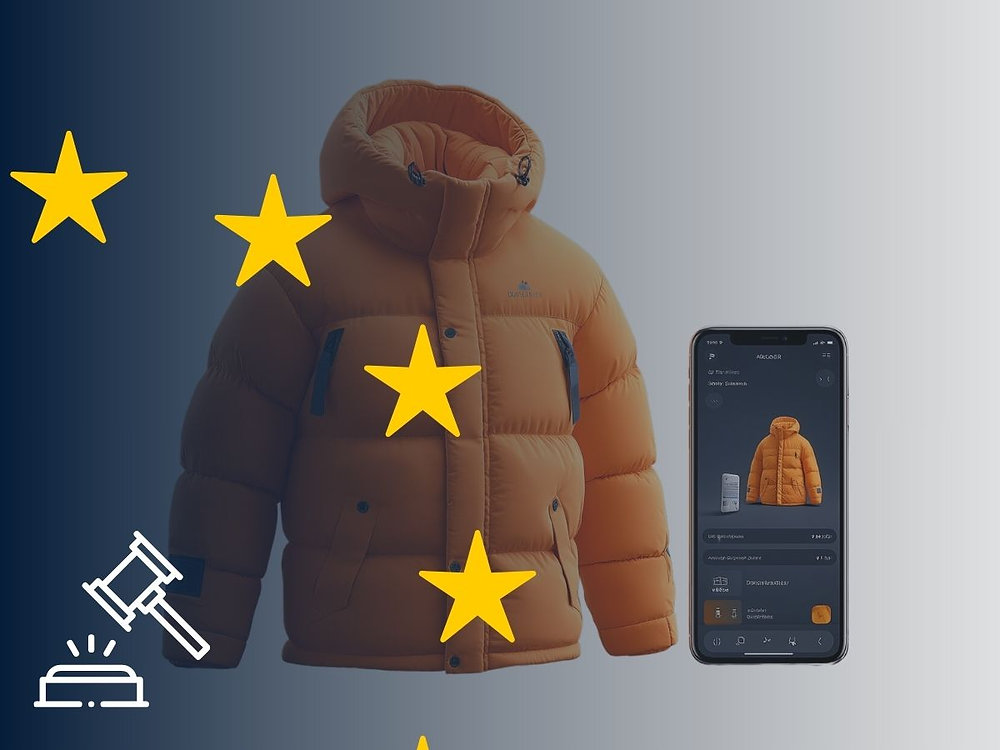
Products already "speak"—about their origins, materials, and recyclability. But too often, that information is fragmented, inaccessible, or trapped in incompatible systems. The Digital Product Passport (DPP) changes that by creating a universal, standardized language for products.
Why a Shared Language Matters
Without standards, every market would invent its own "product dialect." Imagine if each country built its own version of the internet—chaotic, costly, and riddled with barriers. That’s why this group is crafting a cohesive system under the European Commission’s Mandate M/604: a framework everyone can understand.
In Madrid, we zeroed in on the eight core pillars shaping this language (as outlined in M/604 Annex I), including:
- Unique Identifiers – Every product needs a reliable digital ID to be instantly recognizable.
- System Interoperability – Diverse IT systems must "speak" the same language to exchange data seamlessly.
- Data Security – How do we ensure this information stays tamper-proof?
- Lifecycle Management – Languages evolve. How do we keep product data accurate for years to come?
As co-chair of JTC-24, I’ve seen firsthand how a technical mandate has grown into something bigger: The DPP isn’t just about moving data—it’s about enabling understanding across markets, industries, and borders.
Opportunity Over Obligation
The DPP is coming sooner than many think. Companies that prepare now won’t just tick a compliance box—they’ll seize a strategic advantage. Those investing in these standards today will lead the circular economy of tomorrow.
The real excitement isn’t in the requirements—it’s in the opportunities. A shared language means clearer communication, less bureaucracy, and a first-mover edge for businesses that master it early.
That’s what makes this project so compelling.