
 ·
1 minute read
·
1 minute read
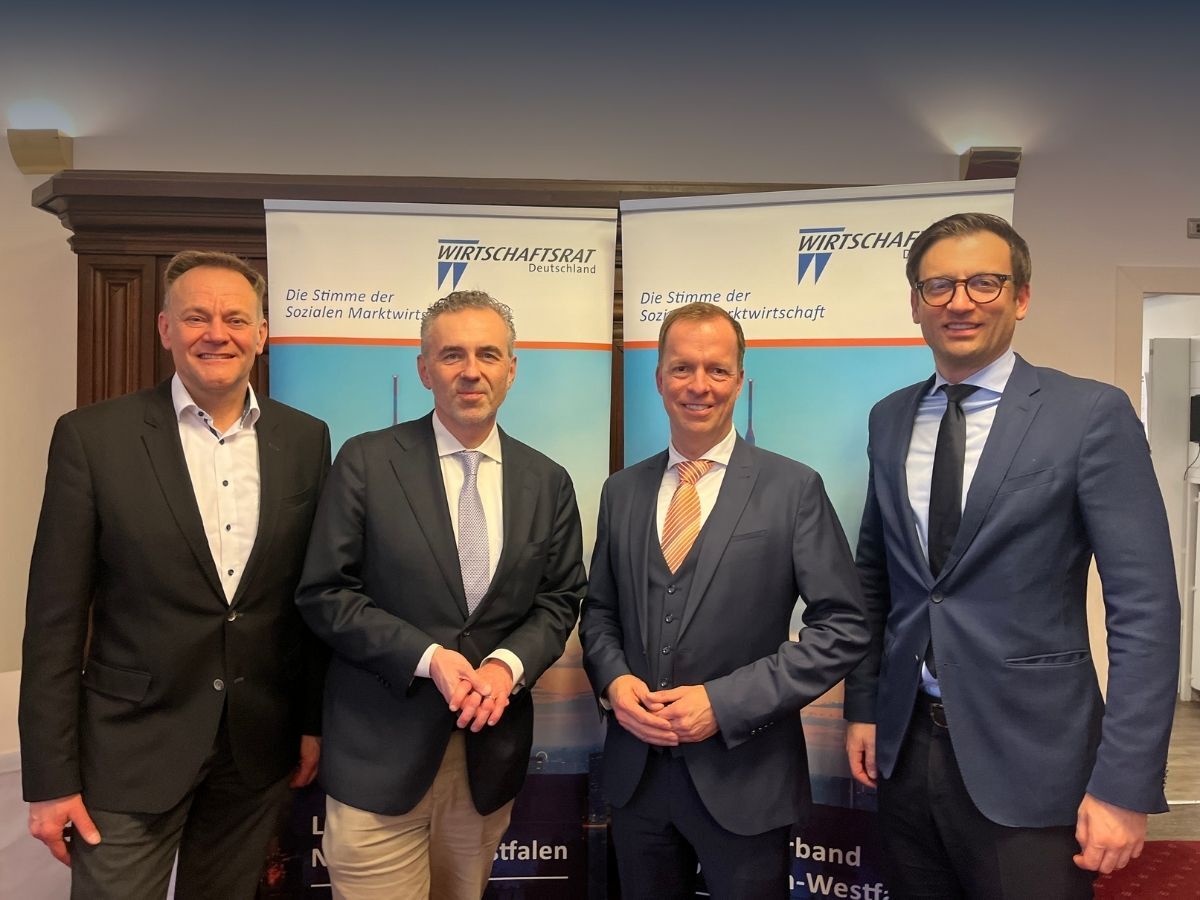
From left to right: Thomas Pfänder (Member of the Executive Board, UNITY AG, and member of the state executive committee), Thomas Jarzombek, Member of the Bundestag (Parliamentary State Secretary at the Federal Ministry for Digital Affairs and State Modernisation), Thomas L. Rödding (CEO, Narravero GmbH), Lars Fiele (Managing Partner, AGES Technologies GmbH & Co. KG, and Deputy State Chairman of the Economic Council North Rhine-Westphalia).
Photo credit: Economic Council North Rhine-Westphalia
Digitalisation is no longer just another project. It is reshaping how markets function: products are acquiring digital identities, supply chains are becoming data-driven and controllable, and regulation is increasingly built into interfaces, standards, and platforms.
Against this backdrop, Thomas L. Rödding is taking over as chair of the Economic Council of the CDU’s “Digital Innovation and Transformation” commission in North Rhine-Westphalia.
The commission brings together business and policymakers at the point where digital transformation becomes concrete – across regulation, infrastructure, and implementation inside companies. At its inaugural meeting in Düsseldorf, participants from both spheres discussed key priorities, including contributions from the Federal Ministry for Digital Affairs and State Modernisation.
Market Rules Are Going Digital
A central question for the commission is how Europe is beginning to organise market rules in digital form.
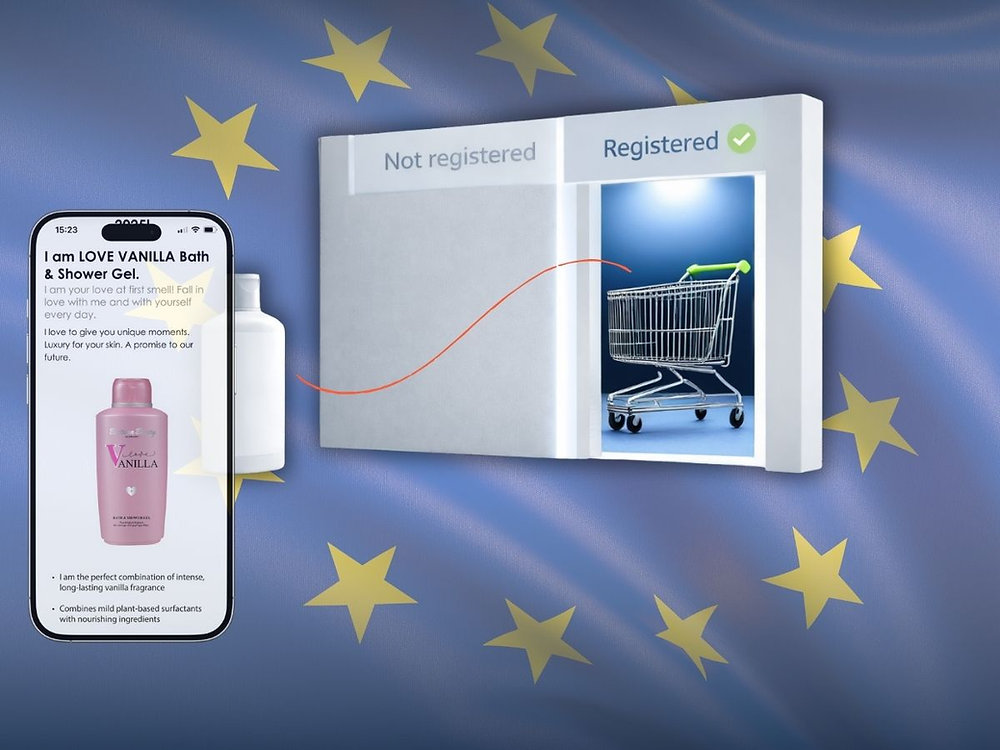
Tools such as the Digital Product Passport are introducing new conditions for access to the EU market. Responsibilities are shifting across manufacturers, retailers, platforms, certification bodies, AI systems, and consumers.
Regulation is no longer confined to legislation. It is increasingly encoded in data models, standards, and interfaces.
Data, Standards, Interfaces: Where It Actually Happens
Artificial intelligence plays an important role in this shift, not as an end in itself, but as a force multiplier.
It can interpret data, identify risks, and automate processes. But that only works if the foundations are in place: clear product identities, structured data formats, and functioning interfaces.
This is where the Digital Product Passport becomes critical – as an enabling infrastructure that reorganises responsibility and allows innovation to scale.
From Rules to Reality
Thomas‘ approach is to connect technology, markets, and political constraints from standard-setting through to implementation in day-to-day operations.
The key question is how regulatory requirements can be translated into working systems: through unique product identifiers, interoperable data structures, and interfaces that are actually usable in practice.
A Platform Between Business and Politics
The “Digital Innovation and Transformation” commission is designed as a bridge between business and politics.
Its aim is not just to debate digital innovation, but to turn it into workable frameworks and implementable solutions—grounded in real-world conditions and aligned with what companies actually need